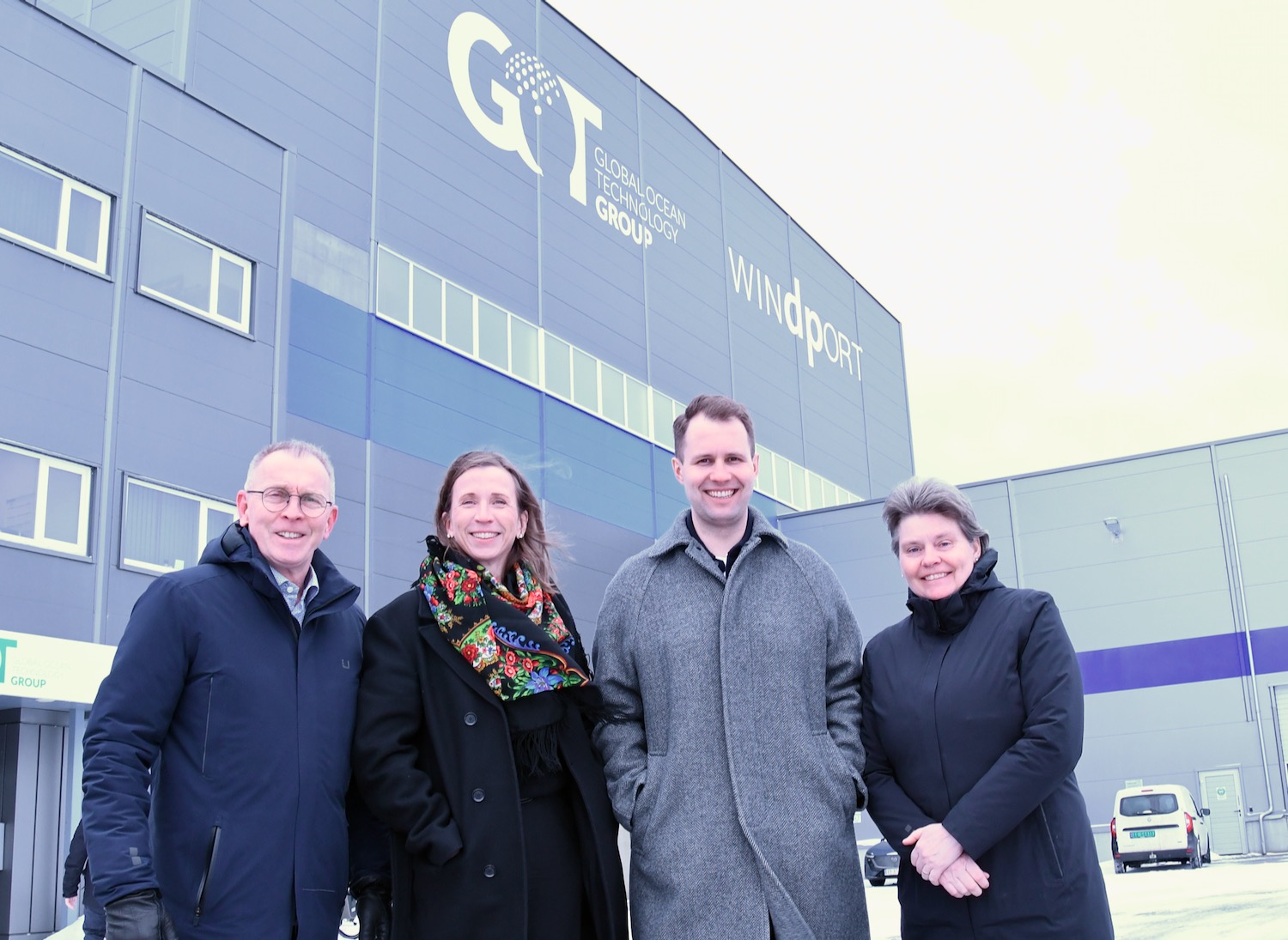
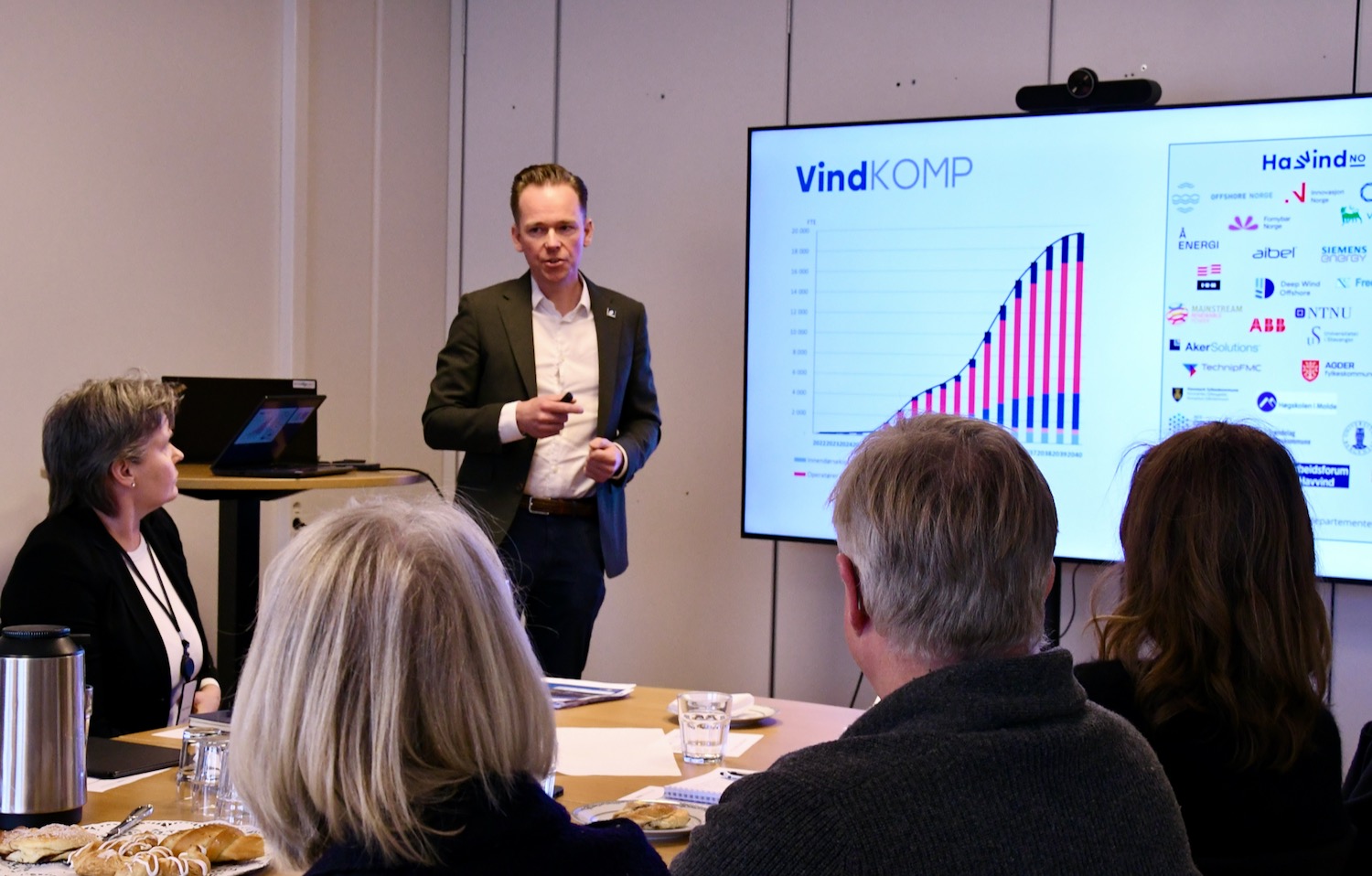
“No Norwegian ports are currently able to support commercial offshore wind operations. Insufficient port capacity is a defining bottleneck in Norway’s offshore wind ambitions,” warned Kjell Eirik Haavold, Head of Legal at the Norwegian Competence Center for Offshore Wind.
He presented findings from several studies to the Norwegian Minister of Justice and Public Security, Astri Aas-Hansen, during a meeting at Windport in Mandal Tuesday afternoon.
“Public financial support is essential for building Norwegian port capacity,” said Haavold – pointing to Denmark and the UK as countries already investing heavily in port infrastructure.
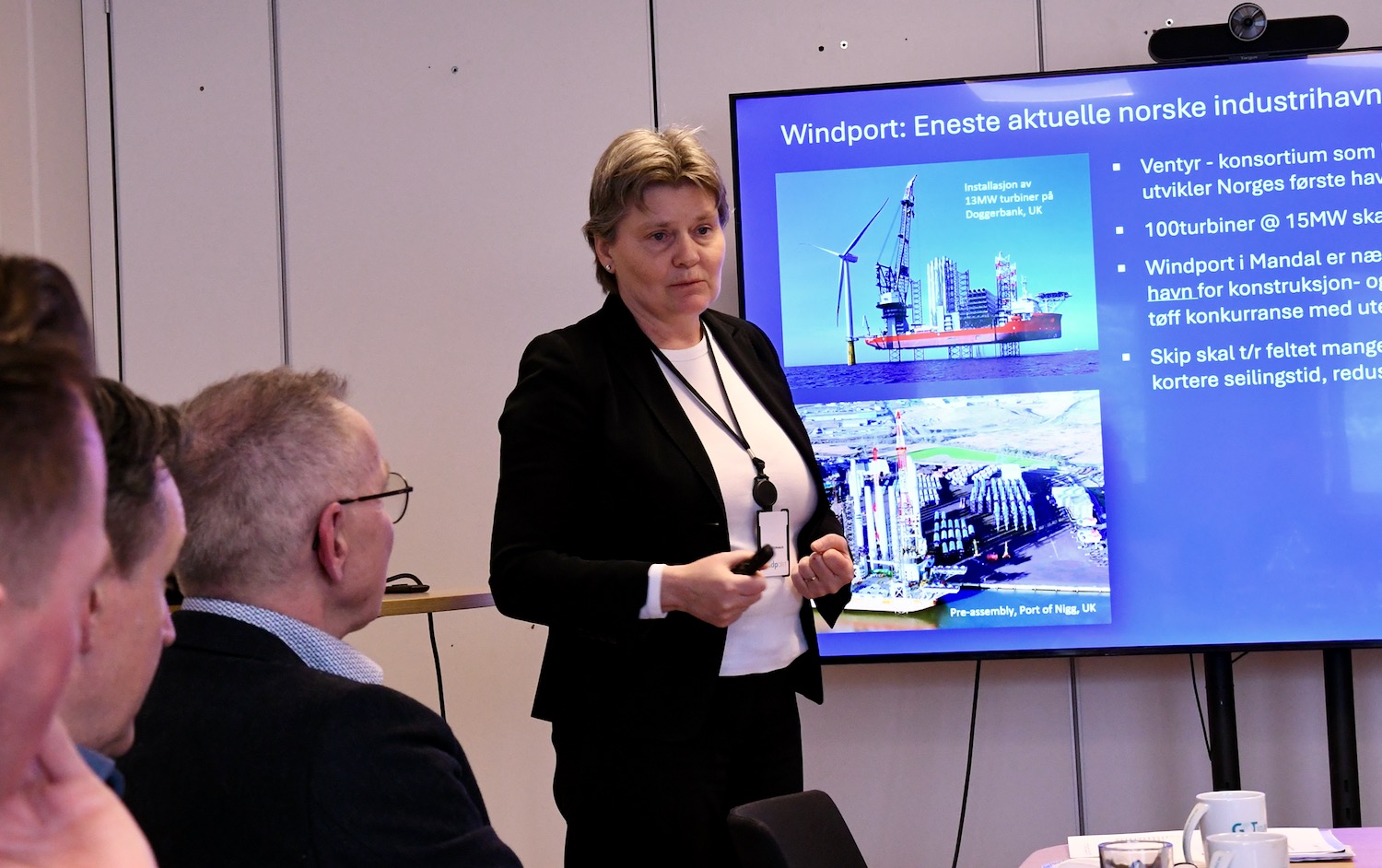
Turid Storhaug, CEO of Windport in Mandal, urged the government to accelerate offshore wind licensing, asking for “momentum and predictability”. She emphasized that without a clear domestic market, Norway risks losing major industrial opportunities.
Windport is currently the only Norwegian industrial port positioned to serve the Sørlige Nordsjø II project and its 100 turbines scheduled for installation south of Norway between 2030 and 2032.
“Sørlige Nordsjø II will be Norway’s largest power plant. We intend to be its construction and assembly hub, but competition from foreign ports is fierce,” Storhaug noted.
She stressed that Windport requires guarantees and loans – not subsidies – to finance quay extensions and make necessary seabed adjustments. The total cost is estimated around NOK 1.2-1.3 billion.
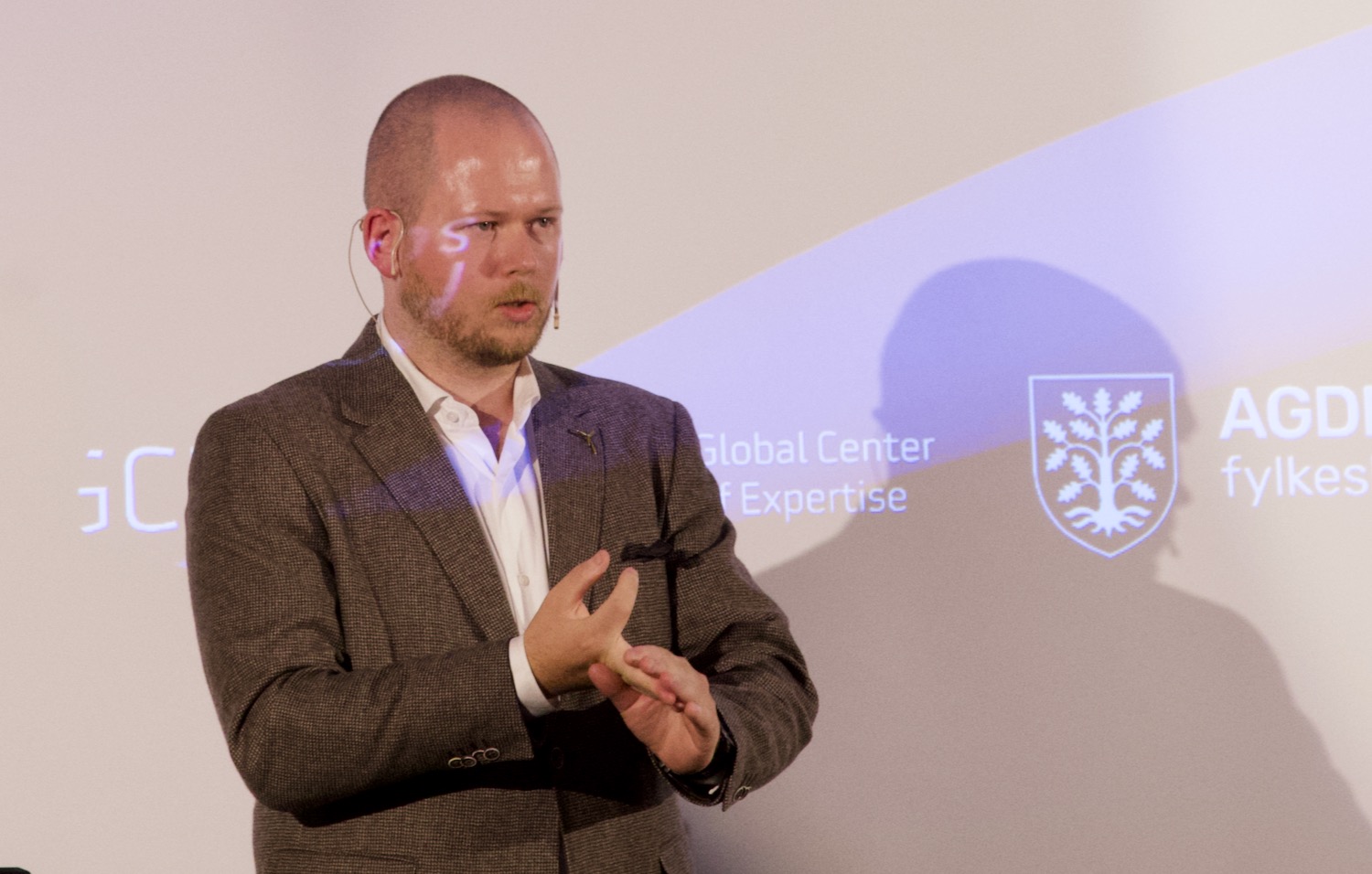
Knut Mjåland, CEO of GCE NODE, presented an analysis performed by PwC on the potential impact of Sørlige Nordsjø II on the Agder region. According to PwC, development of the Sørlige Nordsjø II offshore wind project could directly and indirectly employ 2,100 people in Agder and create ripple effects worth NOK 7.9 billion for the region. But only if construction and assembly is done in an Agder port.
“This highlights the importance of preparing a regional port for offshore wind operations,” said Mjåland.
Kronikk: Pengene havner der hvor havnen ligger
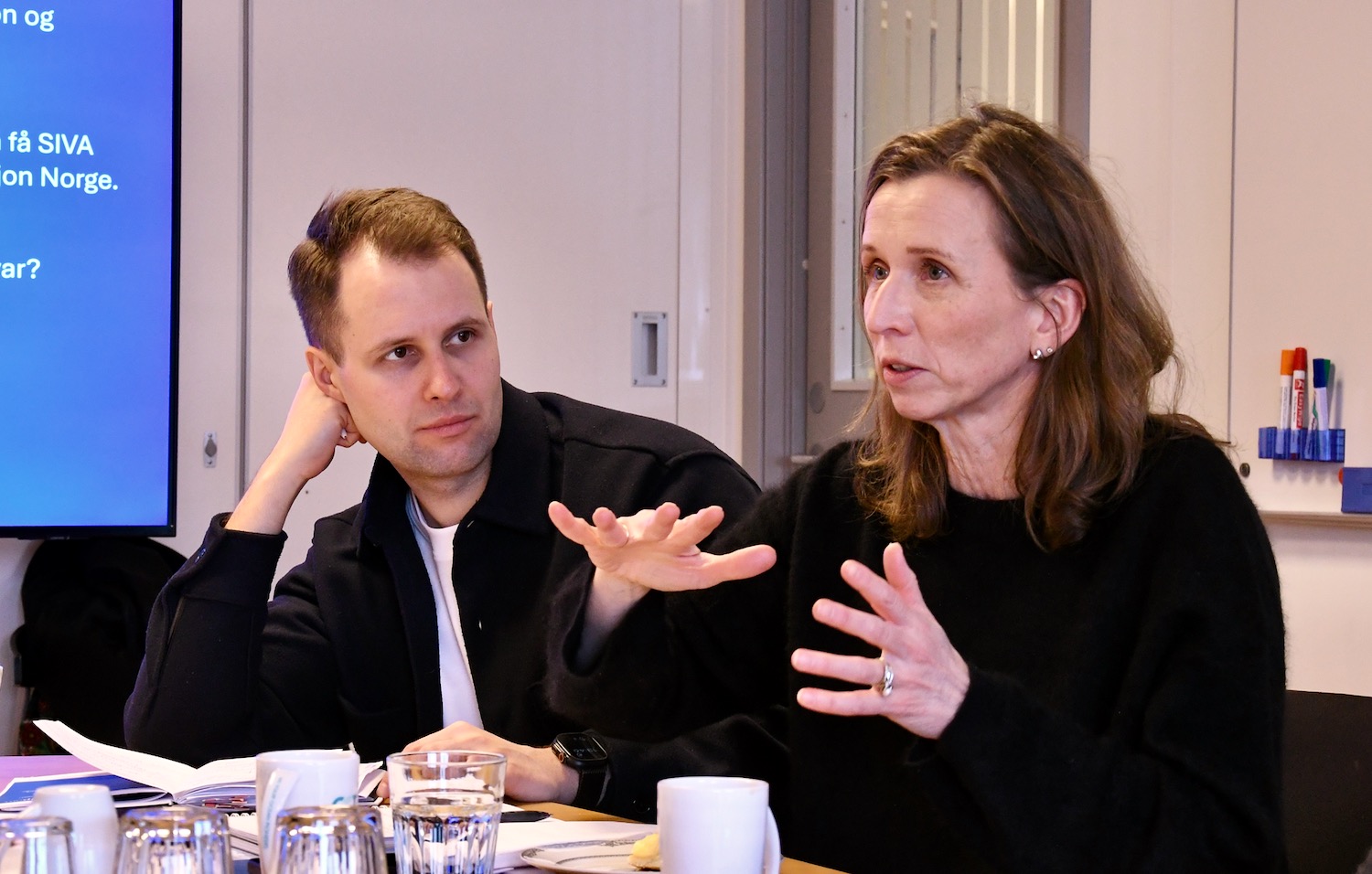
Minister of Justice and Public Security Astri Aas-Hansen acknowledged the urgency and added another dimension: national security. Aligning offshore wind port development with emergency preparedness infrastructure could strengthen Norway’s resilience, she argued.
“There are clear advantages in coordinating these strategies,” Aas-Hansen concluded.
UMOE MANDAL
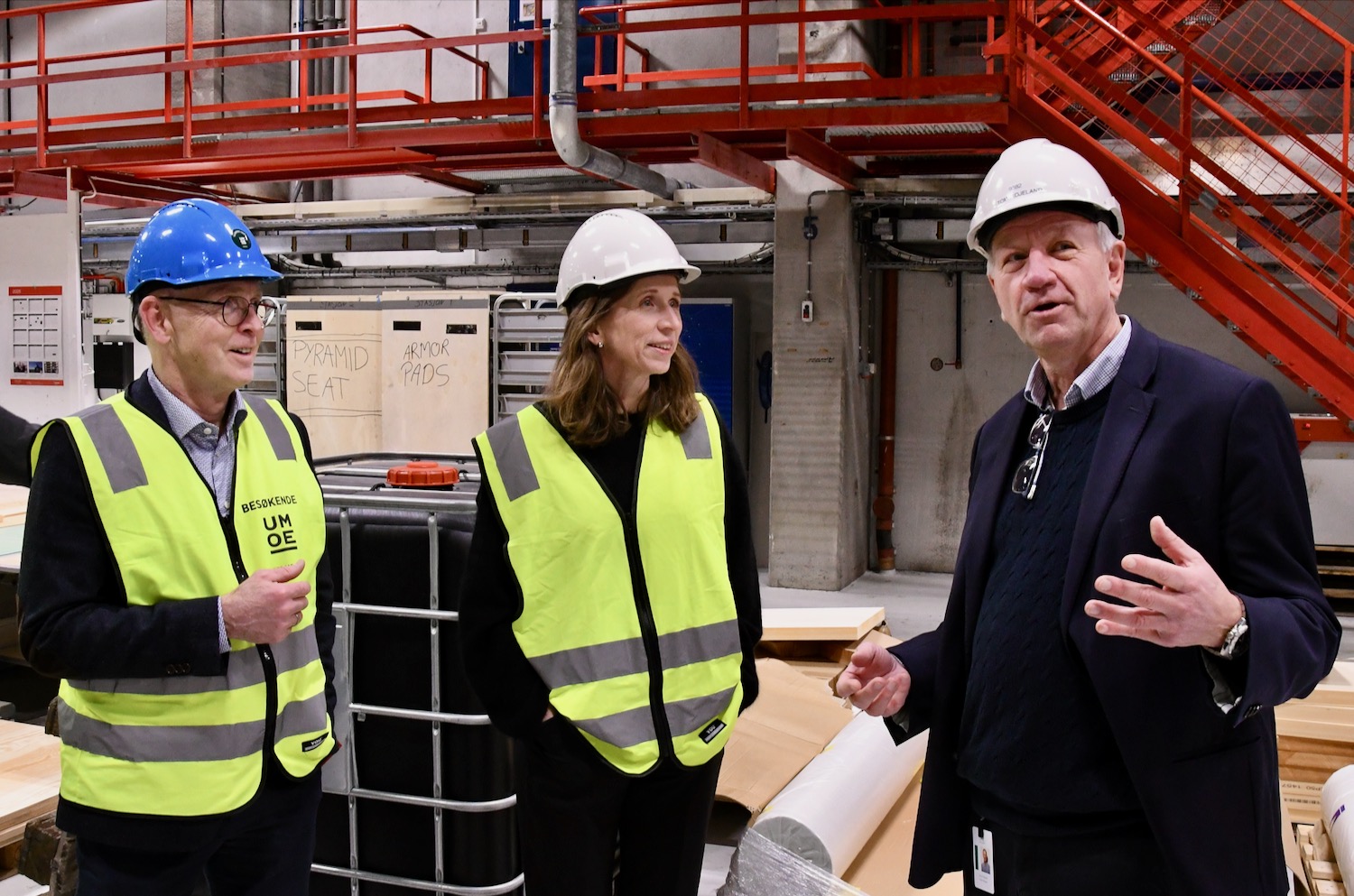
National security was on the agenda at a subsequent meeting at Windport’s next door neighbor, Umoe Mandal.
Having built only 20 military vessels since its inception in 1989, Umoe Mandal has recently secured several contracts that will increase production of vessels and equipment and keep the yard busy for years.
“We are expanding the workforce by 3 or 4 people every month, and we will keep doing that for some time,” said Tom Fidjeland, CEO of Umoe Mandal.