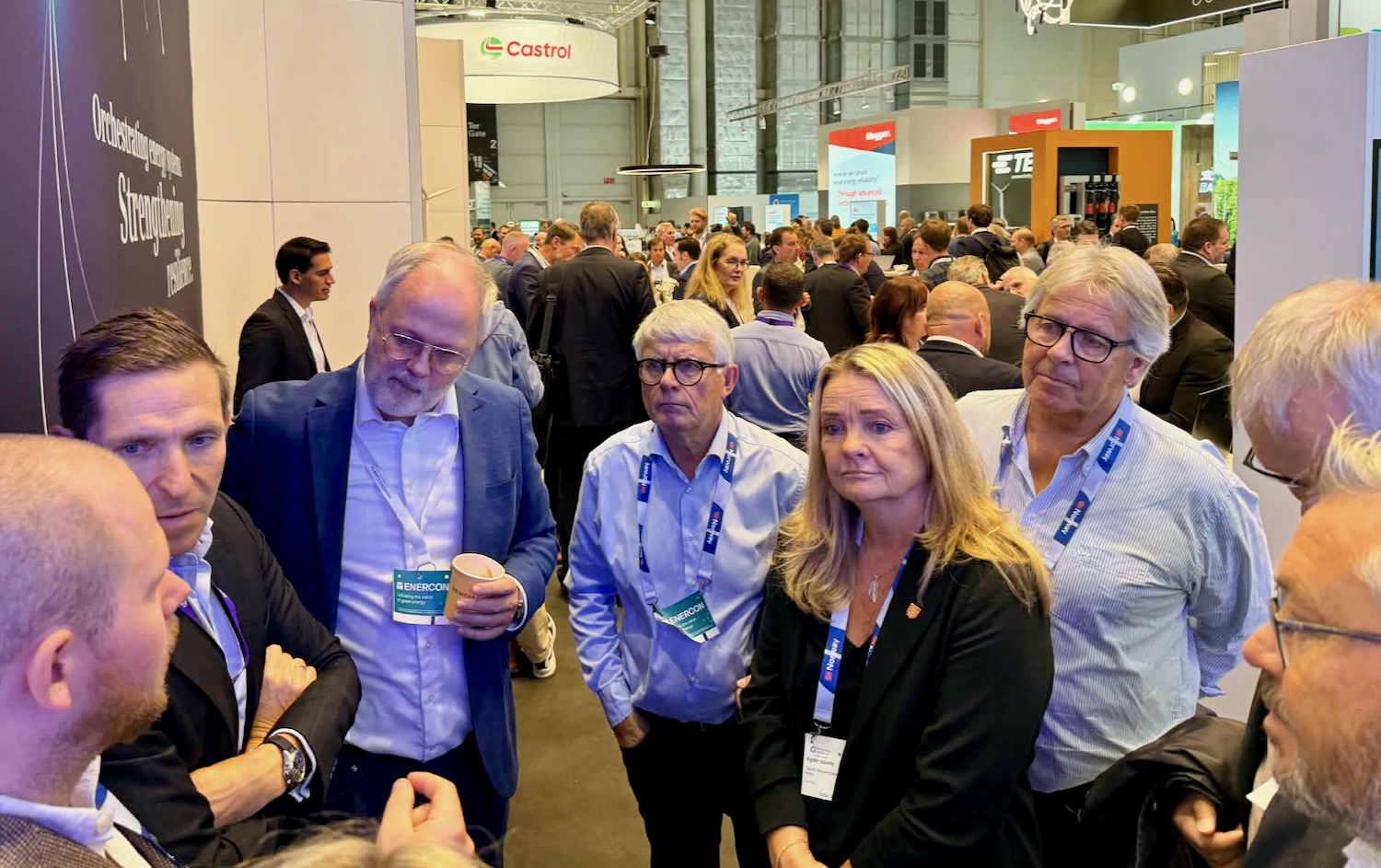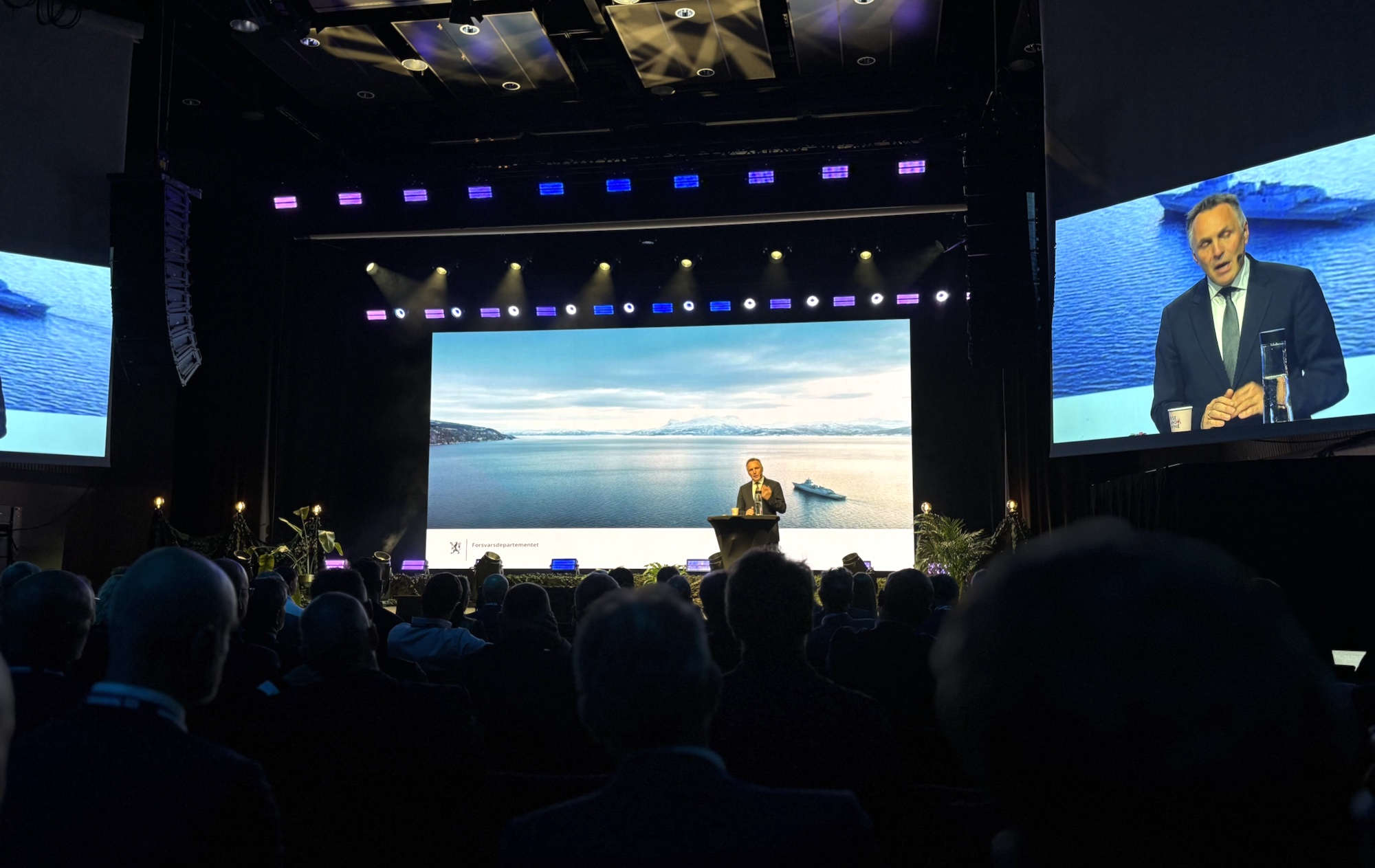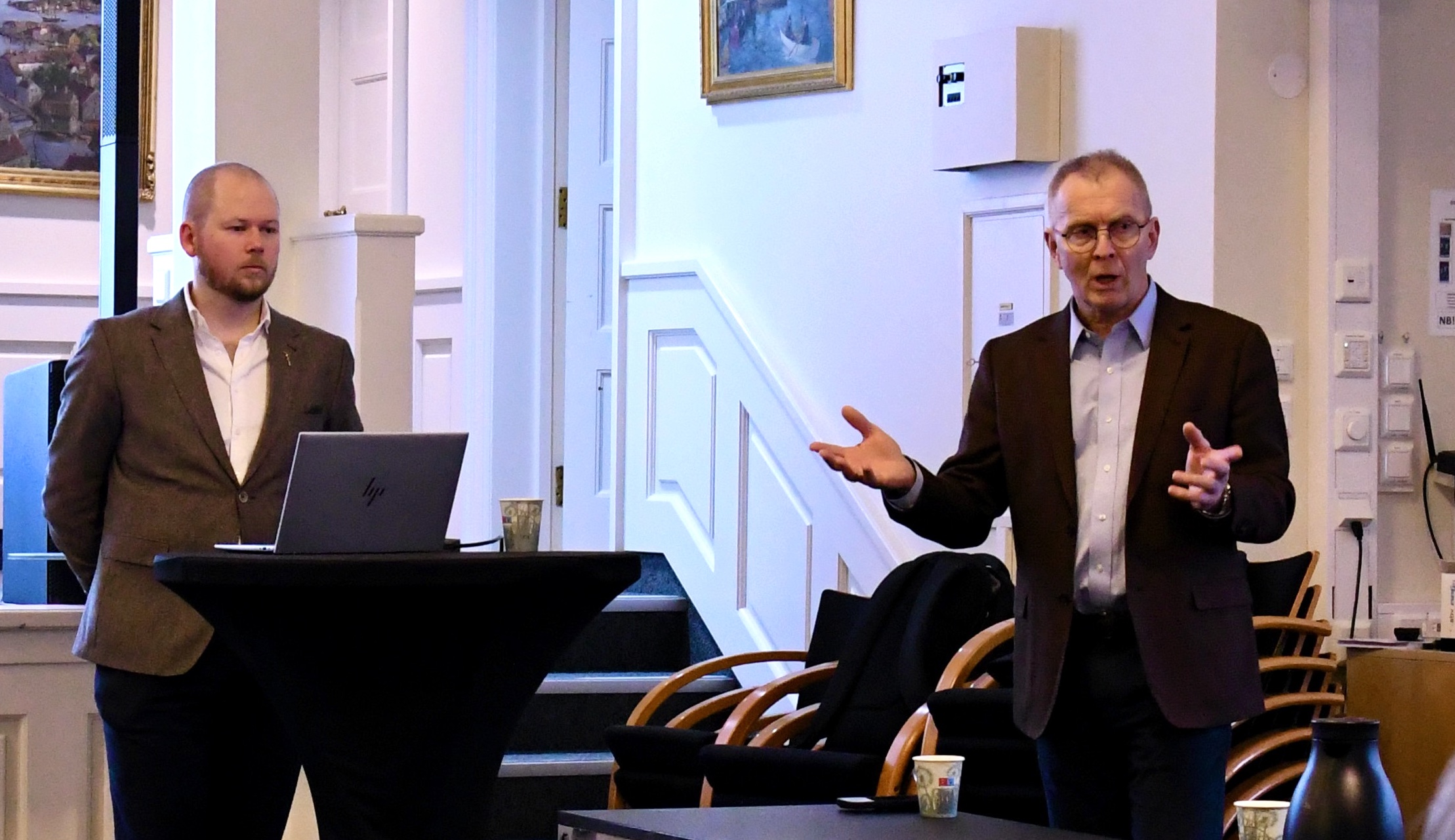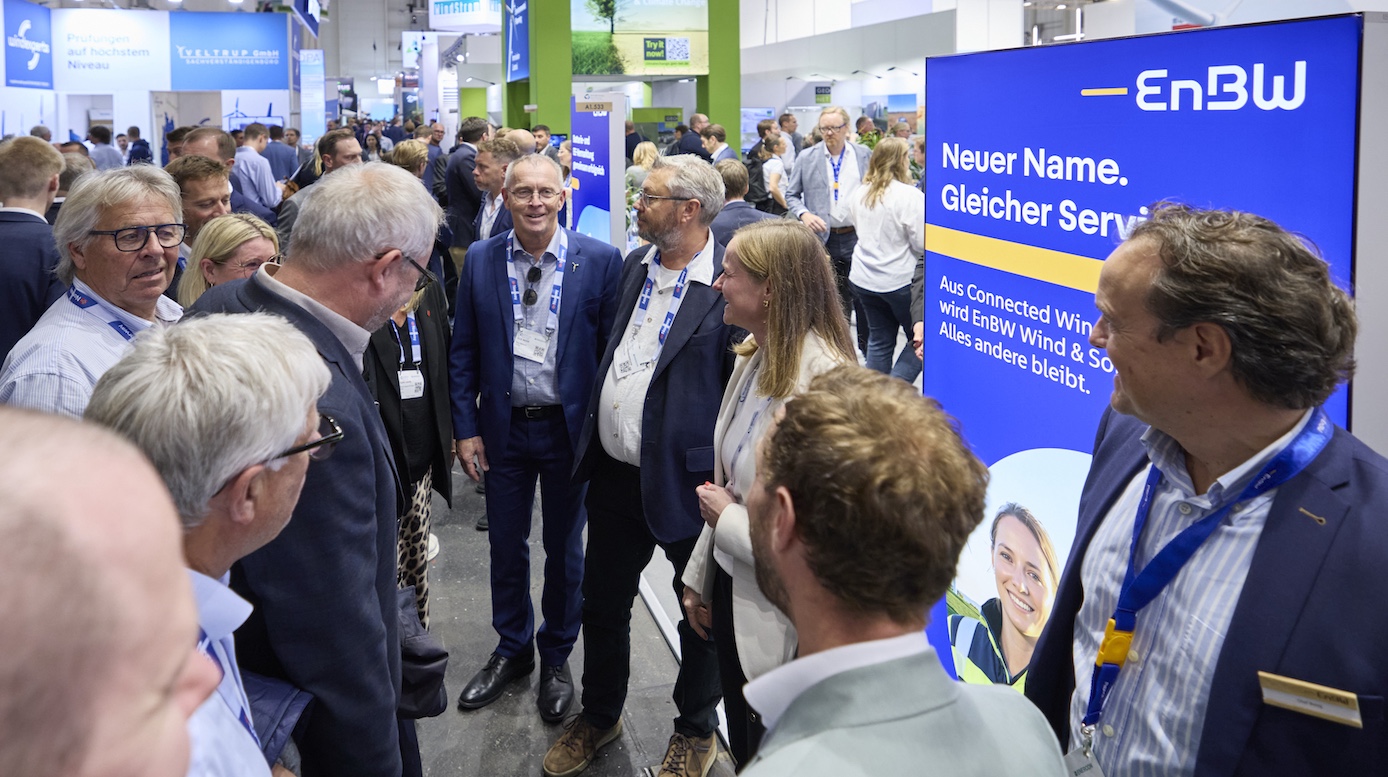
Together with project manager at Fremtidens Havvind, Kristian Johnsen, and a delegation of political representatives, Mjåland visited Hamburg recently for Europe’s largest wind expo. WindEnergy Hamburg drew more than 45,000 visitors.
“The event was first and foremost a reminder of how large and important wind power has become, both in Europe and globally. But it also made even clearer what Norway must do to succeed in this industry, where we are still struggling to get properly started,” says Mjåland.
“Furthermore, it is an excellent arena for starting a dialogue with potential partners and participants in our Sørlige Nordsjø II Supplier Network and Wind Turbine Blade Production projects,” says Johnsen.
While Norway has held two licensing rounds (Sørlige Nordsjø II and Utsira Nord), other countries have multiple projects moving simultaneously through every stage of development — from licensing and awarding to planning, construction, and grid connection.
“It’s crucial to have a pipeline of projects moving through all stages. In Norway, we have only two projects underway, and none following behind them. This a major weakness which makes it difficult to build a new industry. Also, Norway seems to have a more time-consuming approval process than countries that are already familiar with offshore wind,” says Johnsen.
Norway’s long-term ambition is to allocate 30 GW wind power by 2040. Yet the roadmap for how to reach that goal remains unclear. The long-awaited tempo plan, meant to outline progress and originally scheduled for release in 2026, now appears postponed until 2027.
“It looks like we will lose even more time before we can move forward,” says Mjåland.
Meanwhile, Europe is accelerating its wind investments, and Chinese turbine technology is rapidly advancing.
“We need to learn from others. Europe has stable framework conditions and a steady supply of new projects. That allows the industry to invest in technology and expertise that drive down costs and make wind power more competitive,” says Johnsen.
Norwegian companies generated revenues of NOK 64 billion from offshore wind last year. Yet the domestic market remains absent.
“We can’t afford to wait to build a home market. It represents an enormous industrial opportunity with thousands of jobs and high value creation. Also, Norway needs more power and offshore wind provides plenty of it. When Sørlige Nordsjø II is completed, it will be Norway’s largest power plant,” says Mjåland.
“Europe is moving full speed ahead. Norway needs to find a common ground and tag along,” says Johnsen.