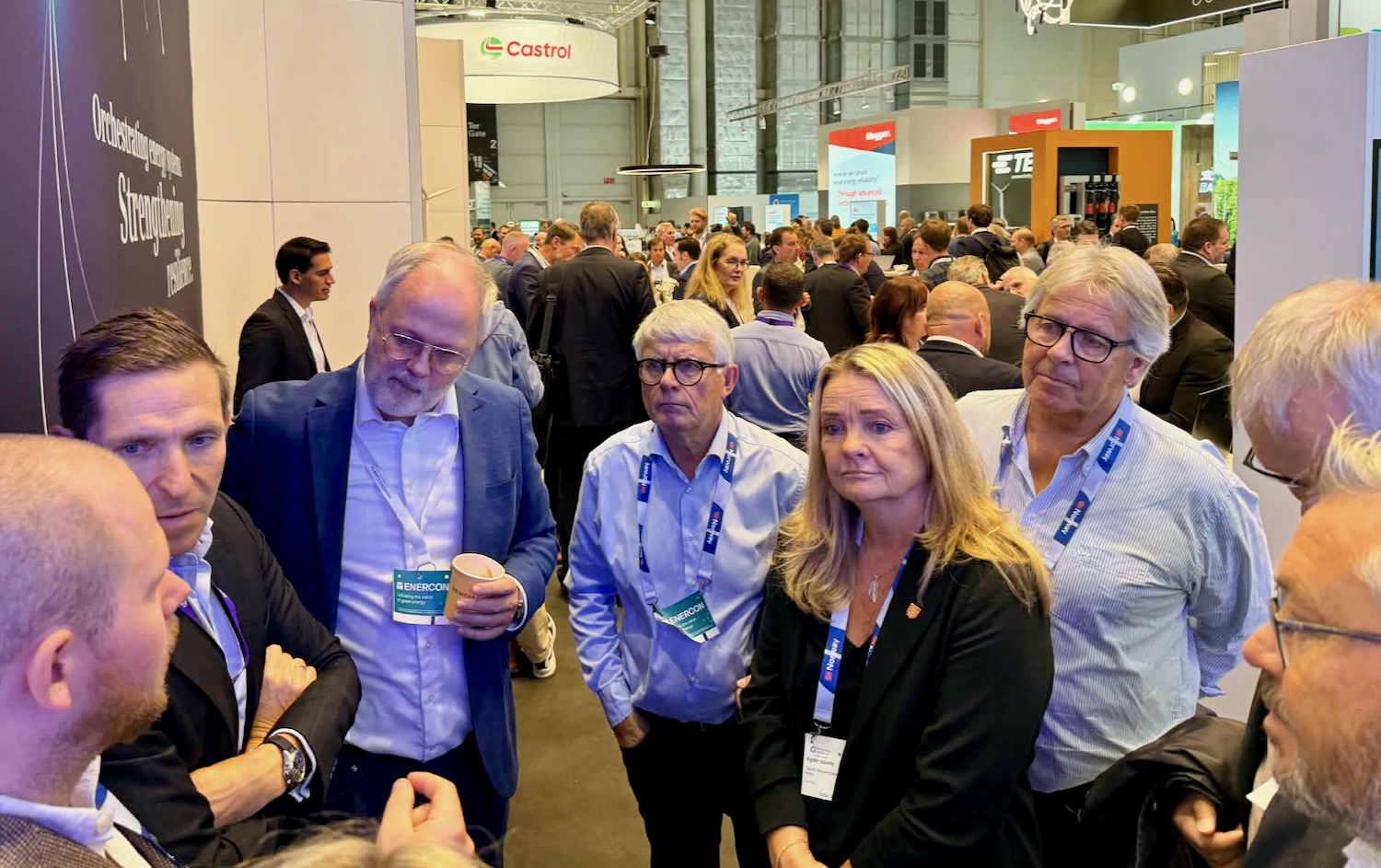
This was made obvious during the Oil to Wind seminar in Kristiansand Wednesday. Several companies that have made a partial or full transition, provided examples.
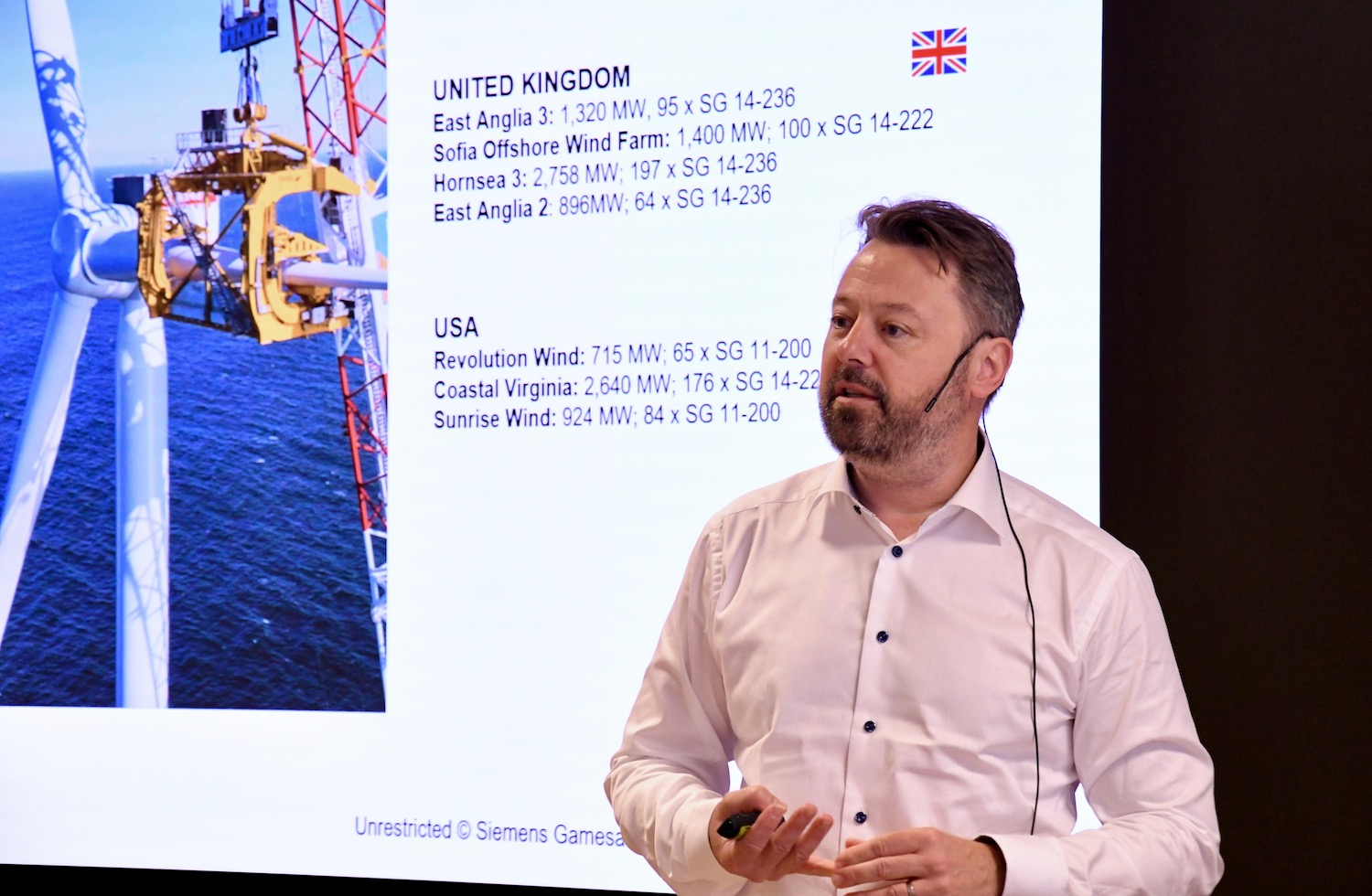
Espen Bostadløkken, Managing Director of Siemens Gamesa Norway, emphasized how Norway’s long-standing offshore engineering culture forms a natural bridge into wind. The company’s footprint in Europe is enormous: 33 GW installed, representing 5,400 offshore turbines, with another 22 GW under construction or contracted across Denmark, France, Germany, Poland, Taiwan, the UK and the US.
“Scale matters! Large project pipelines drive cost reductions, industrial learning and supply-chain maturity, factors essential for making offshore wind competitive,” said Bostadløkken.
Siemens Gamesa is a pioneer in floating offshore wind, an area where Norway’s oil and gas heritage is particularly relevant. With 150 MW of floating capacity already deployed, the company holds the world’s largest track record. Floating wind requires deep-water engineering, mooring systems, heavy-lift operations and marine logistics, competencies Norway has refined for decades in petroleum.
“Offshore wind is not a break with the past, but rather an evolution of what Norway already does exceptionally well,” said Bostadløkken.
If Siemens Gamesa represents the global technology shift, Windport in Mandal shows how this transition plays out on the ground in Agder.
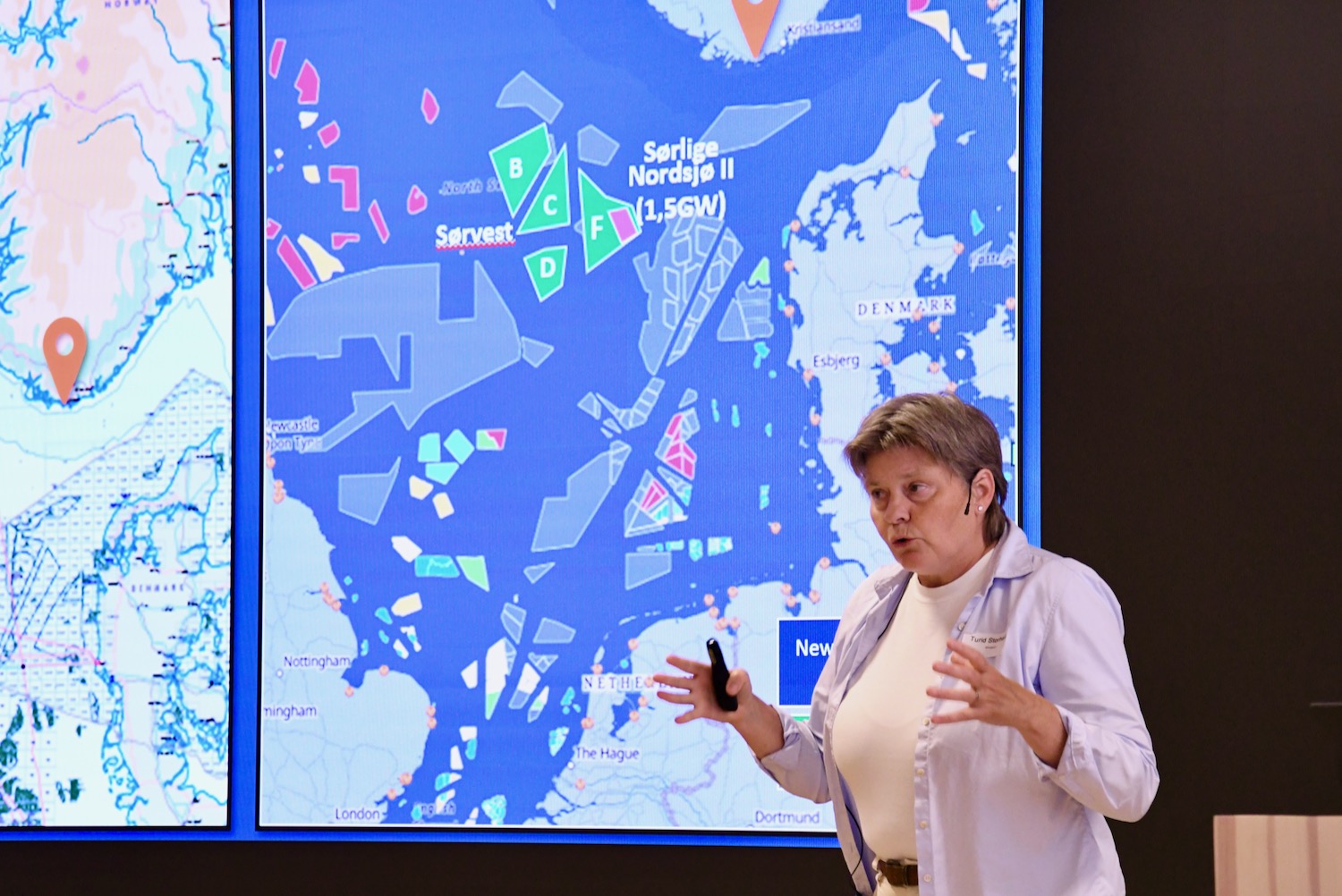
CEO Turid Storhaug presented facts from the recent 10 year special periodic survey of the Crossway Eagle jackup rig, originally built for oil and gas, but now contracted by offshore wind field developers. During a two-month project period, more than 60 companies were involved in the project at Windport, generating significant regional value. 43% of suppliers were from Kristiansand, 30% from Lindesnes.
Storhaug stressed that continued investment in port infrastructure depends on predictability. A stable home market and a clear plan for offshore wind projects on the Norwegian Continental Shelf are essential for unlocking private capital and ensuring that ports like Windport can scale to meet European demand.
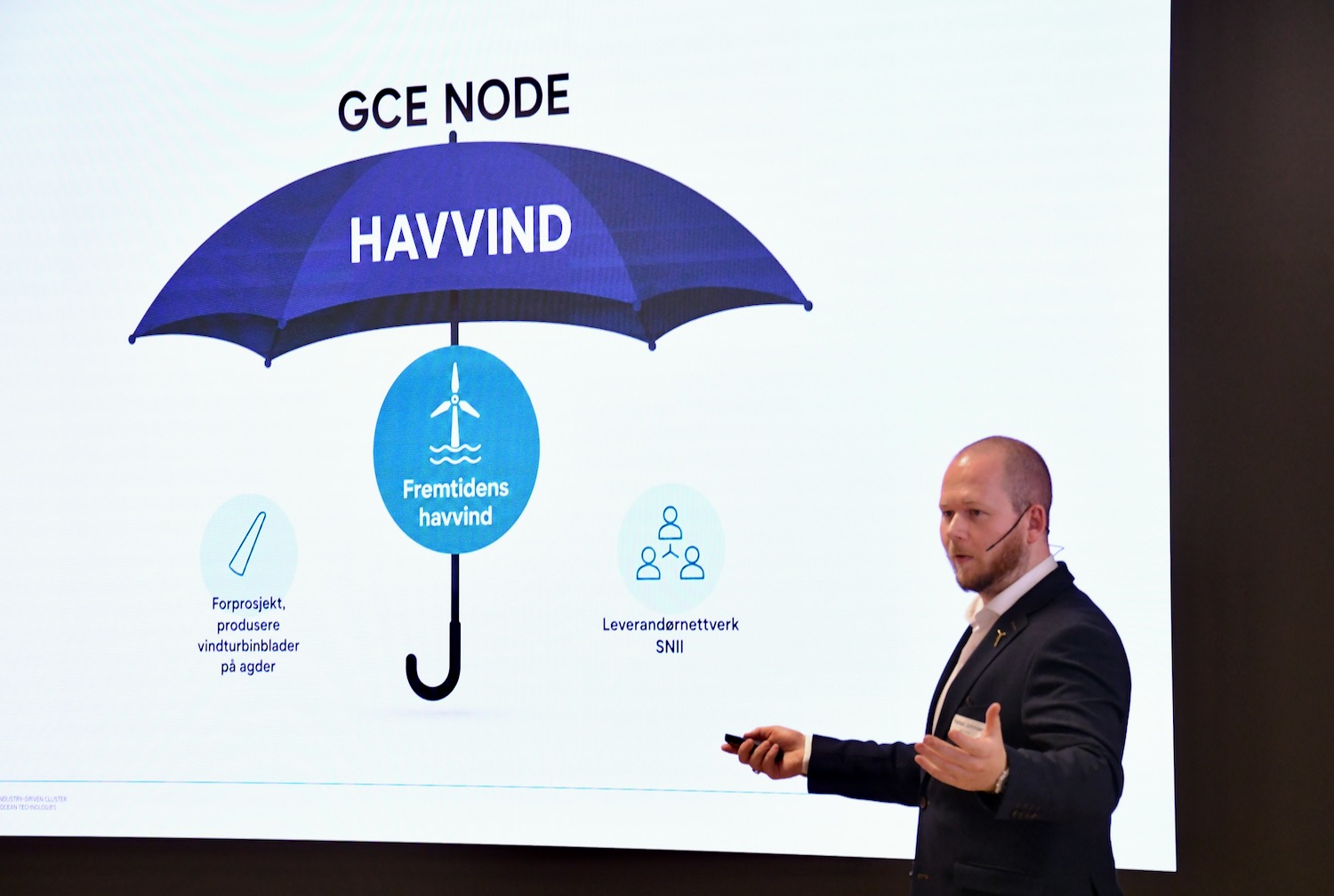
This was echoed by Kristian Johnsen, Project Manager of the regional collaboration project Fremtidens Havvind: “A predictable pipeline of new projects and the development of a Norwegian assembly port are our highest project priorities,” said Johnsen.
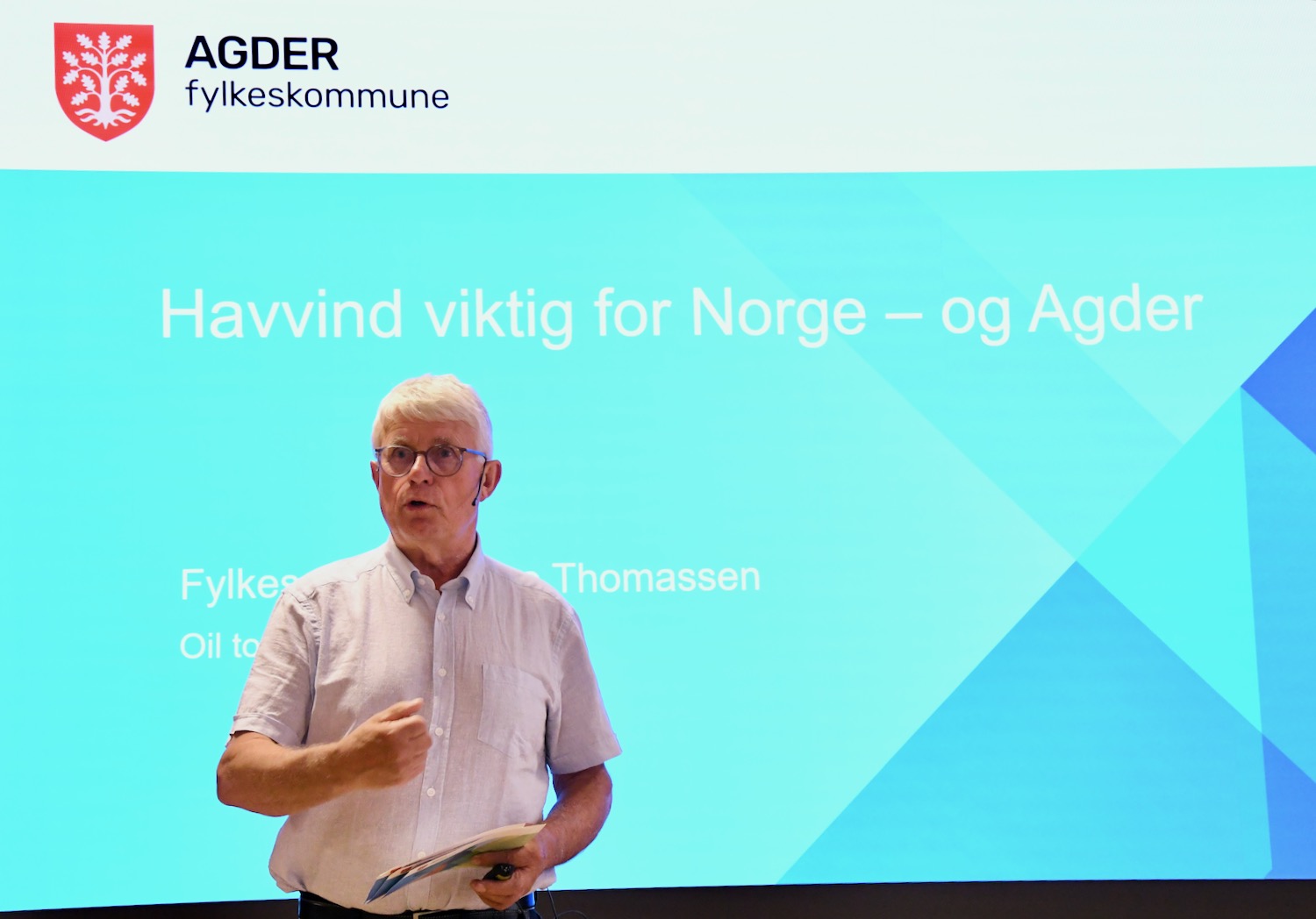
Added Arne Thomassen, Mayor of Agder County: “When the Norwegian tempo plan for offshore wind is presented, our region must stand together. We need to argue for an ambition for the Norwegian offshore wind industry, and the need for continued development of bottom-fixed fields south of Norway. We will also address the need for a Norwegian offshore wind port,” said Thomassen.
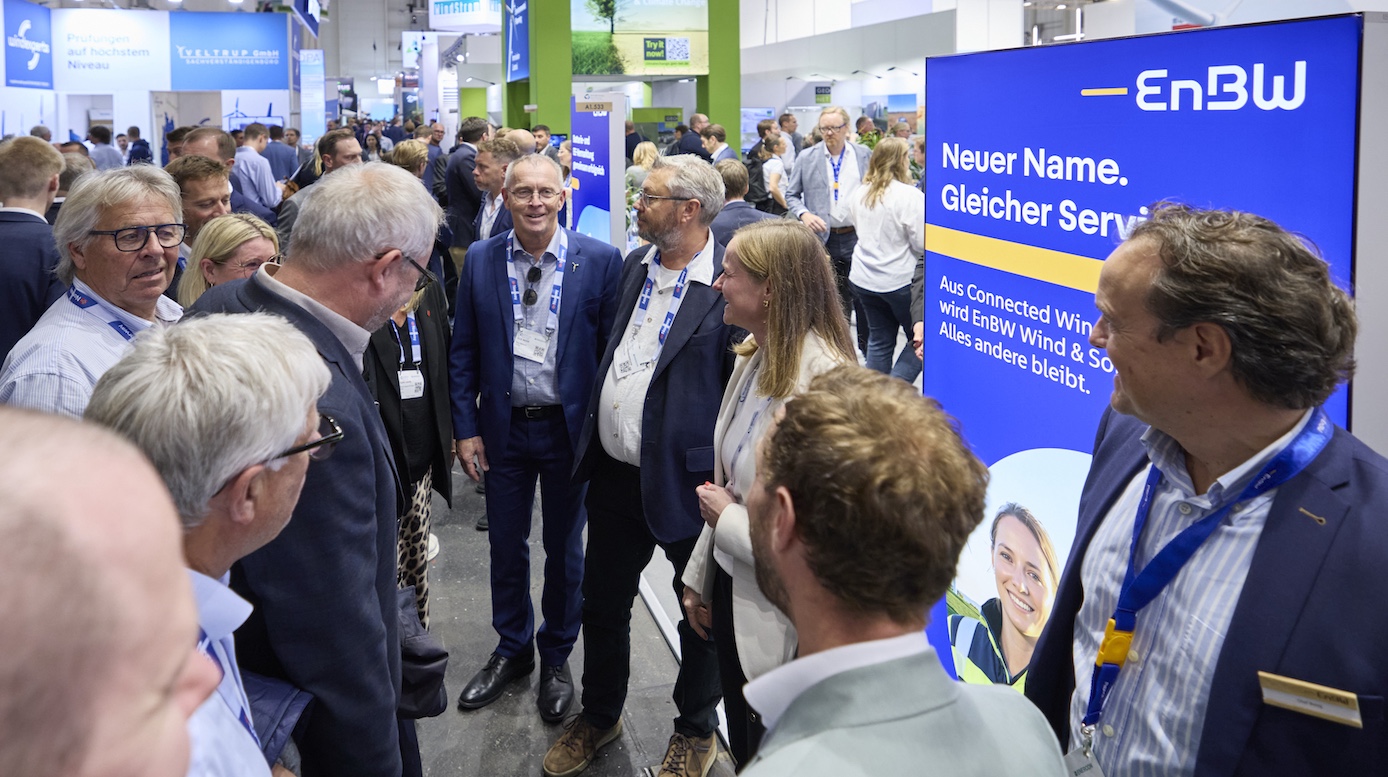
More than 70 people attended the Oil to Wind event hosted by GCE NODE, Fremtidens Havvind, NORWEP and Agder County.
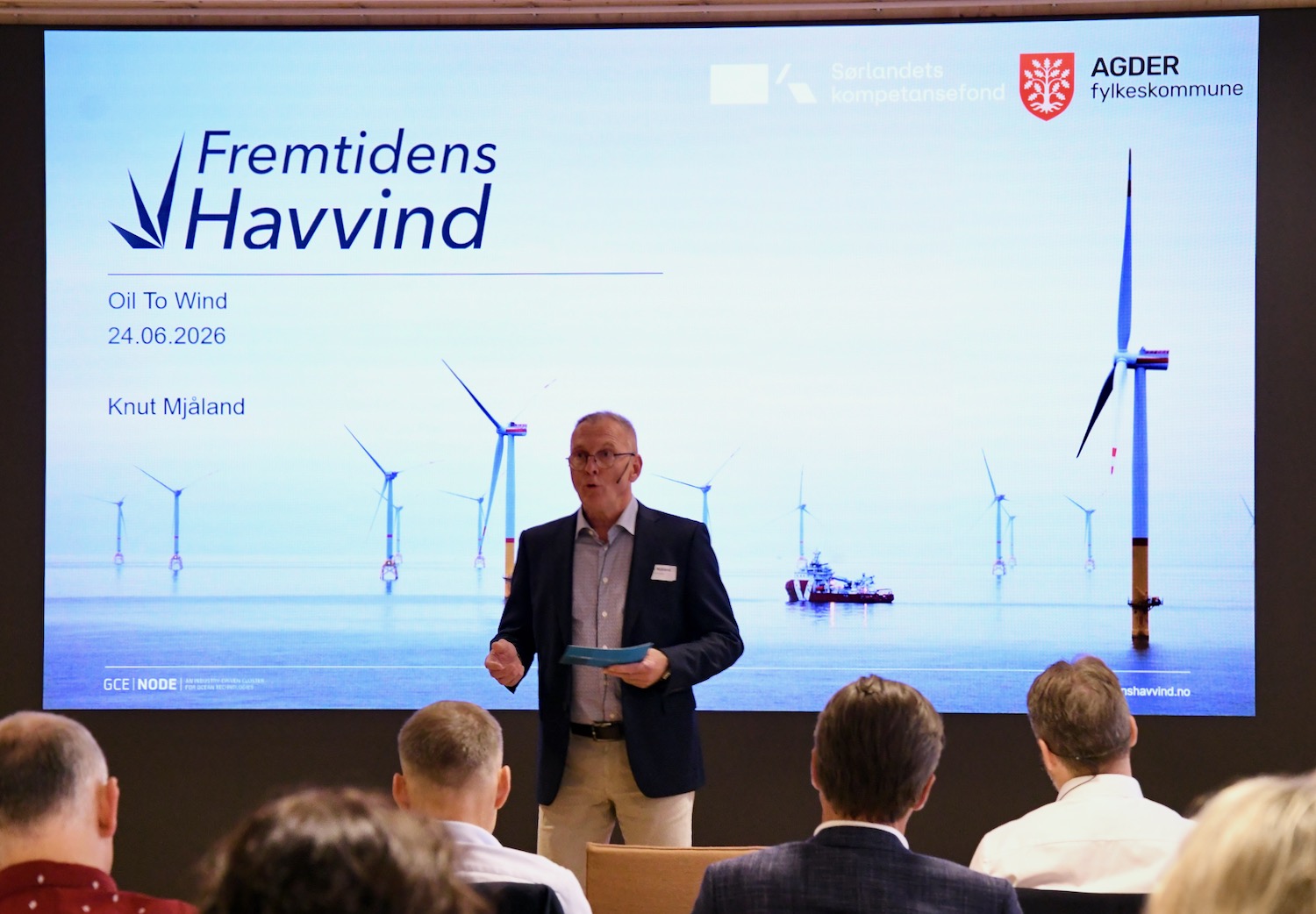
Knut Mjåland opened the seminar with a big thank you to the people in attendance, many of whom have been central in the development of the world-leading supplier industry in Agder.
“You have not only created work for yourselves but also built a value chain that generates lot of jobs in our region. And you continue to innovate. For that, we are very thankful,” said Mjåland.