Norway holds a unique position within geothermal energy: World class drilling expertise, a highly electrified society in need of greater resilience, and vast untapped thermal resources beneath our feet.
While Sweden produces around 23 TWh of geothermal heat annually and Finland 7 TWh, Norway lags behind at 4-5 TWh despite having the strongest drilling competence in the Nordic region.
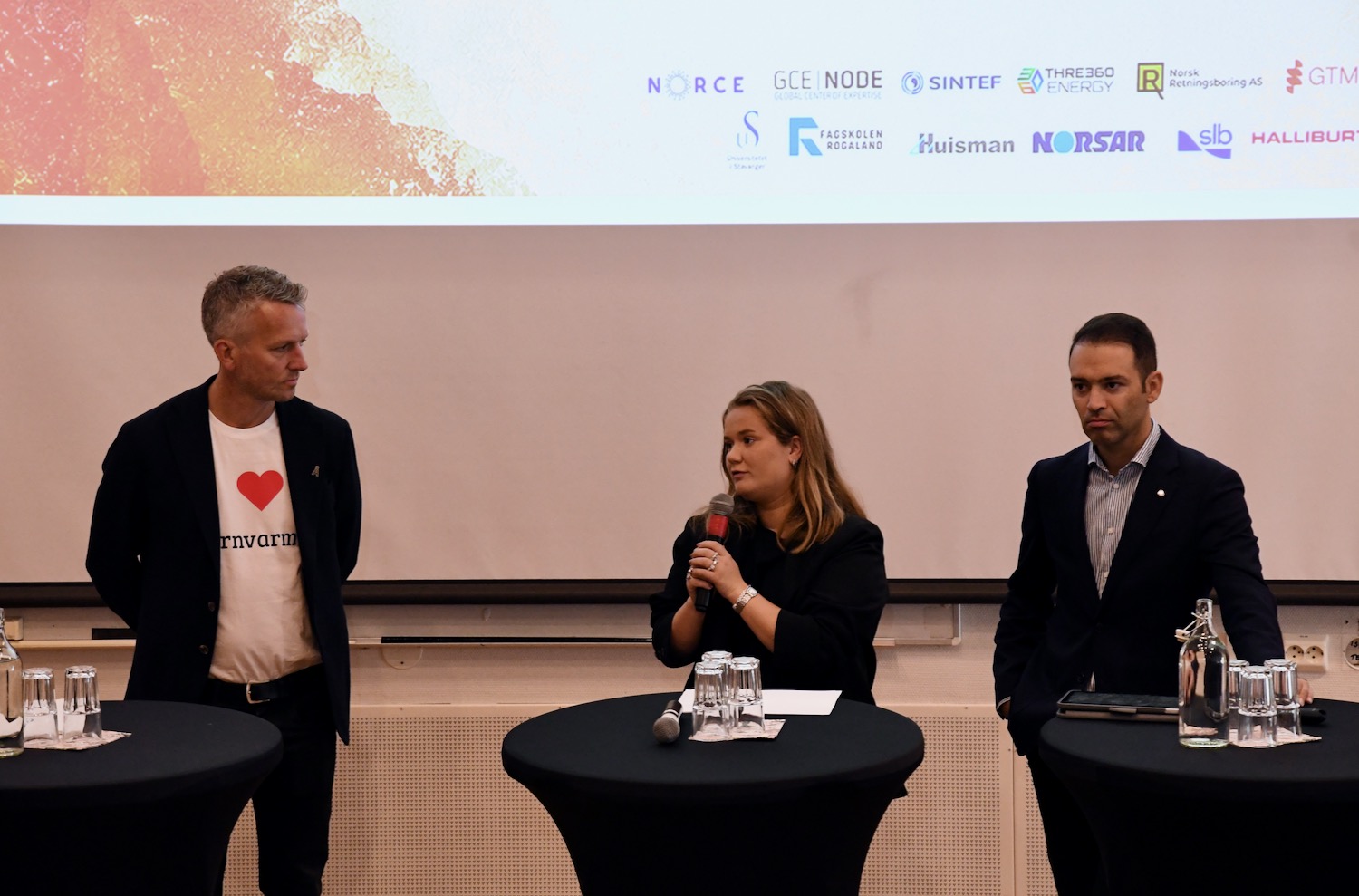
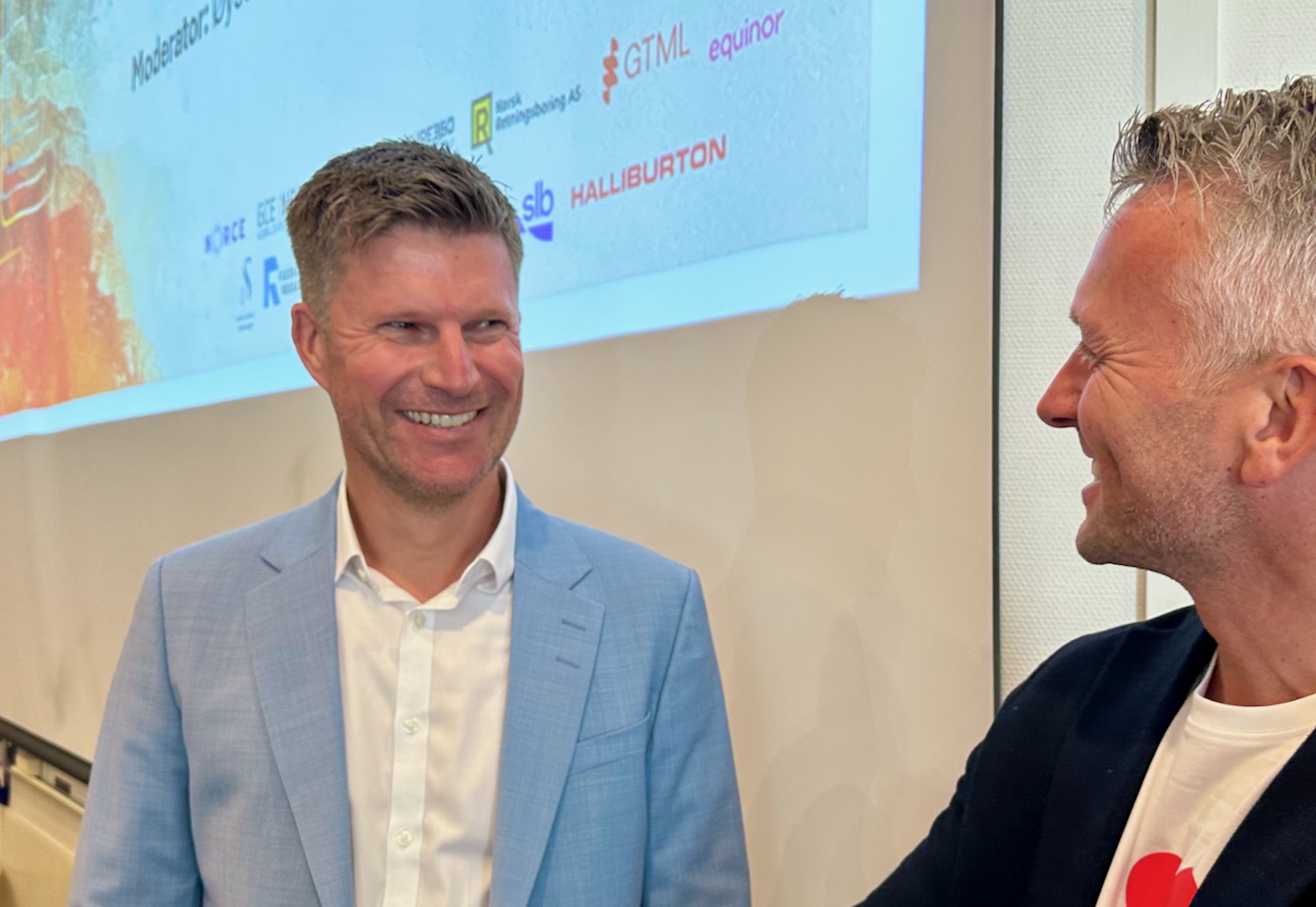
This gap, which illustrates both the challenge and the enormous potential, was addressed during an Arendalsuka event hosted by Geothermal Energy Association of Norway, GCE NODE, NORCE Research and SINTEF.
Geothermal energy offers qualities Norway increasingly needs. As energy security becomes more critical, reliance on a single energy carrier, electricity, creates vulnerability.
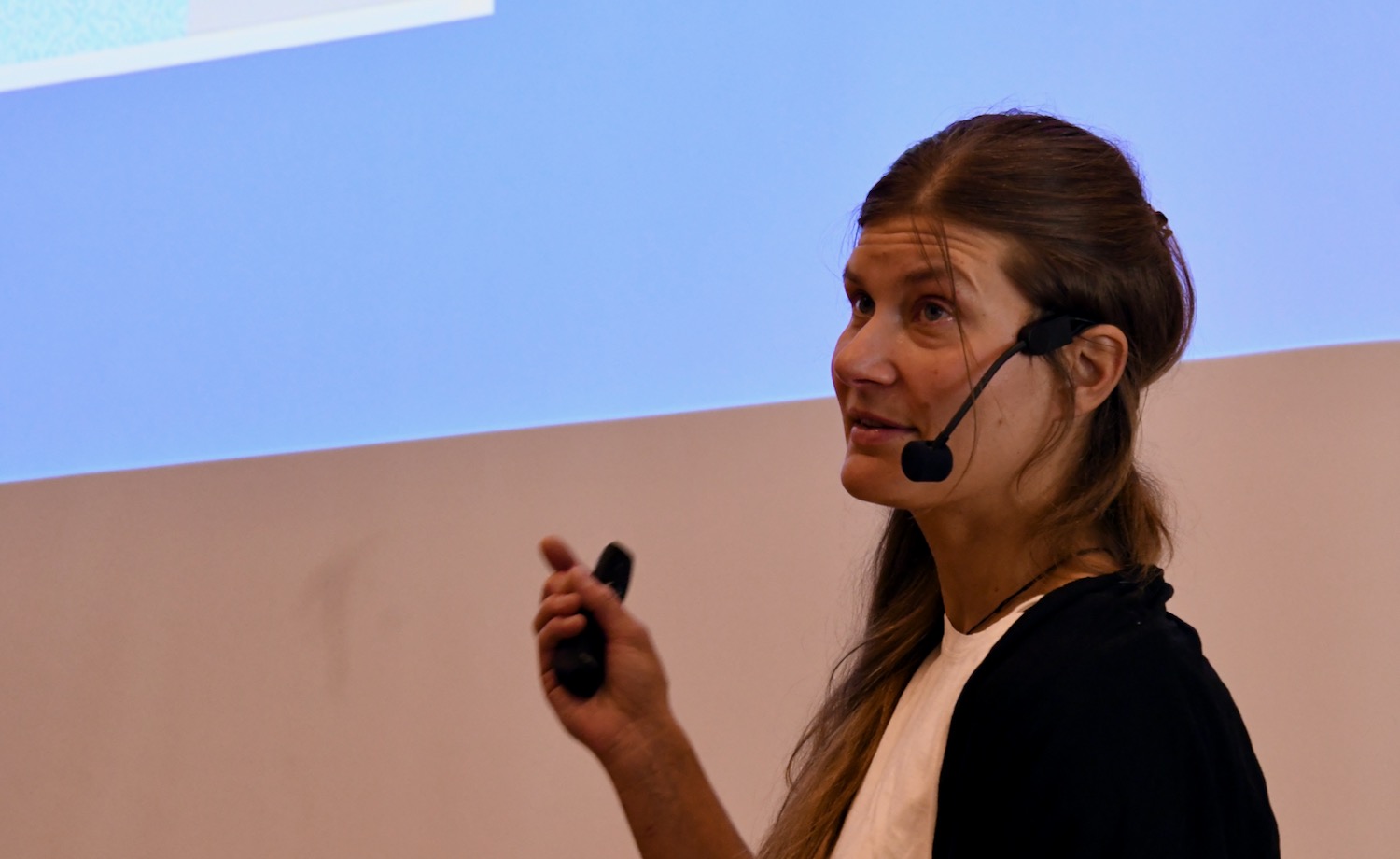
Storms, sabotage, cyberattacks, and grid constraints all expose the fragility of a system built on centralized power production. As Kristin Flornes, EVP at NORCE Research emphasized, a resilient society requires local, stable energy sources that function regardless of weather, market volatility, or grid bottlenecks. Geothermal heat is exactly that: always available, always local, and independent of electricity prices.
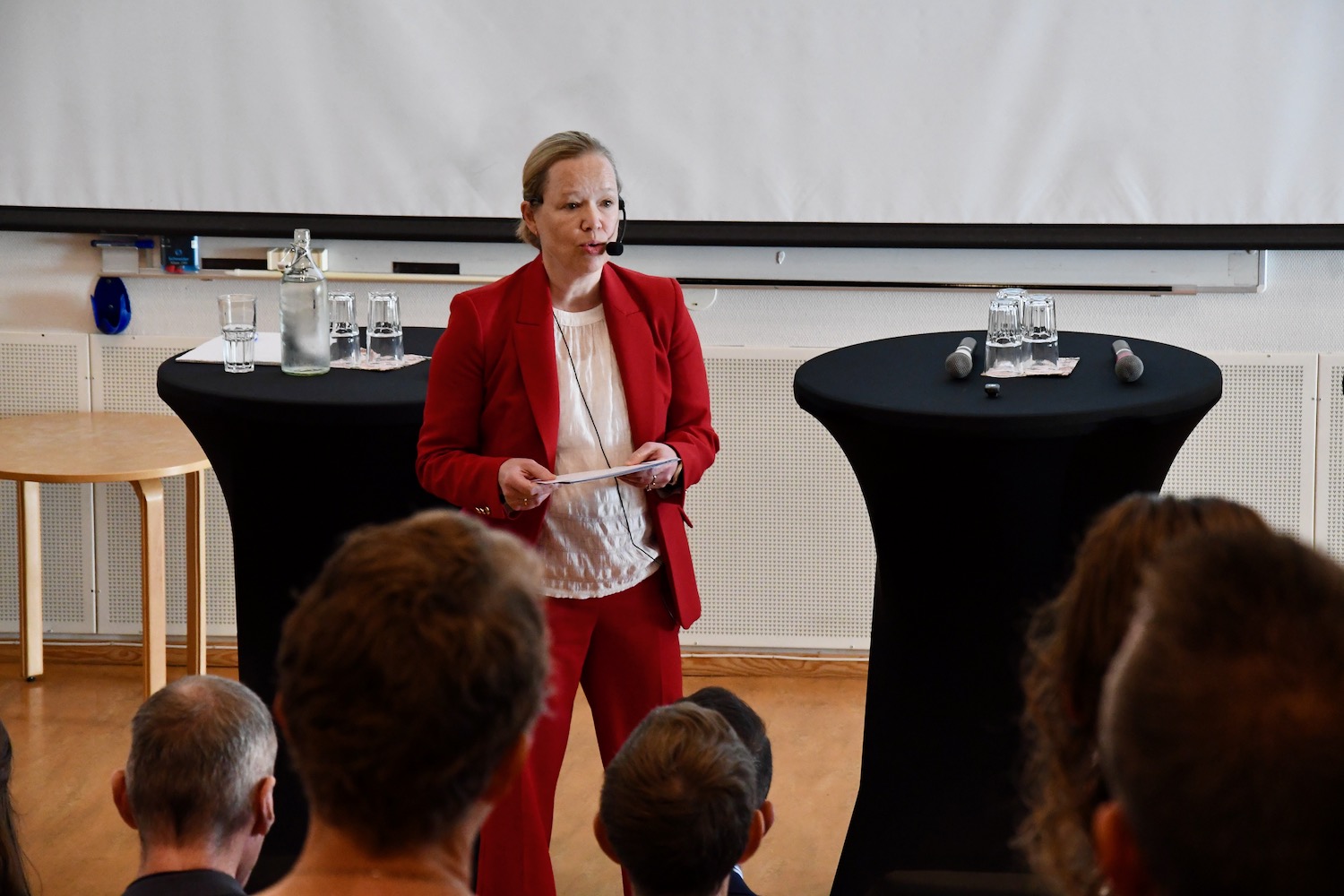
Kirsti Midttømme, Chief Scientist at NORCE Research, highlighted another strength: geothermal systems are inherently decentralized. With more than 75,000 installations already in place, Norway has a foundation to build on but lacks the policy instruments that accelerated deployment in Sweden and Finland. Price signals alone will not unlock growth; targeted support mechanisms are needed to scale the industry.
Jesper Moberg, CEO of Norsk Retningsboring, gave a perspective that underscored Norway’s most significant competitive advantage: drilling competence.
“For geothermal energy, we rely heavily on the competence and technology from the oil and gas industry. We have the world’s best drillers. Our technology is proven, scalable, cost competitive, and leaves only a small mark on the surface. Geothermal energy is ‘the obvious solution’, yet political recognition remains limited,” said Moberg.
During the closing debate, Members of Parliament Mani Hussaini (Labour Party) and Frøya Sjursæther (MDG), acknowledged that geothermal energy is not a hot topic in the Norwegian Parliament.