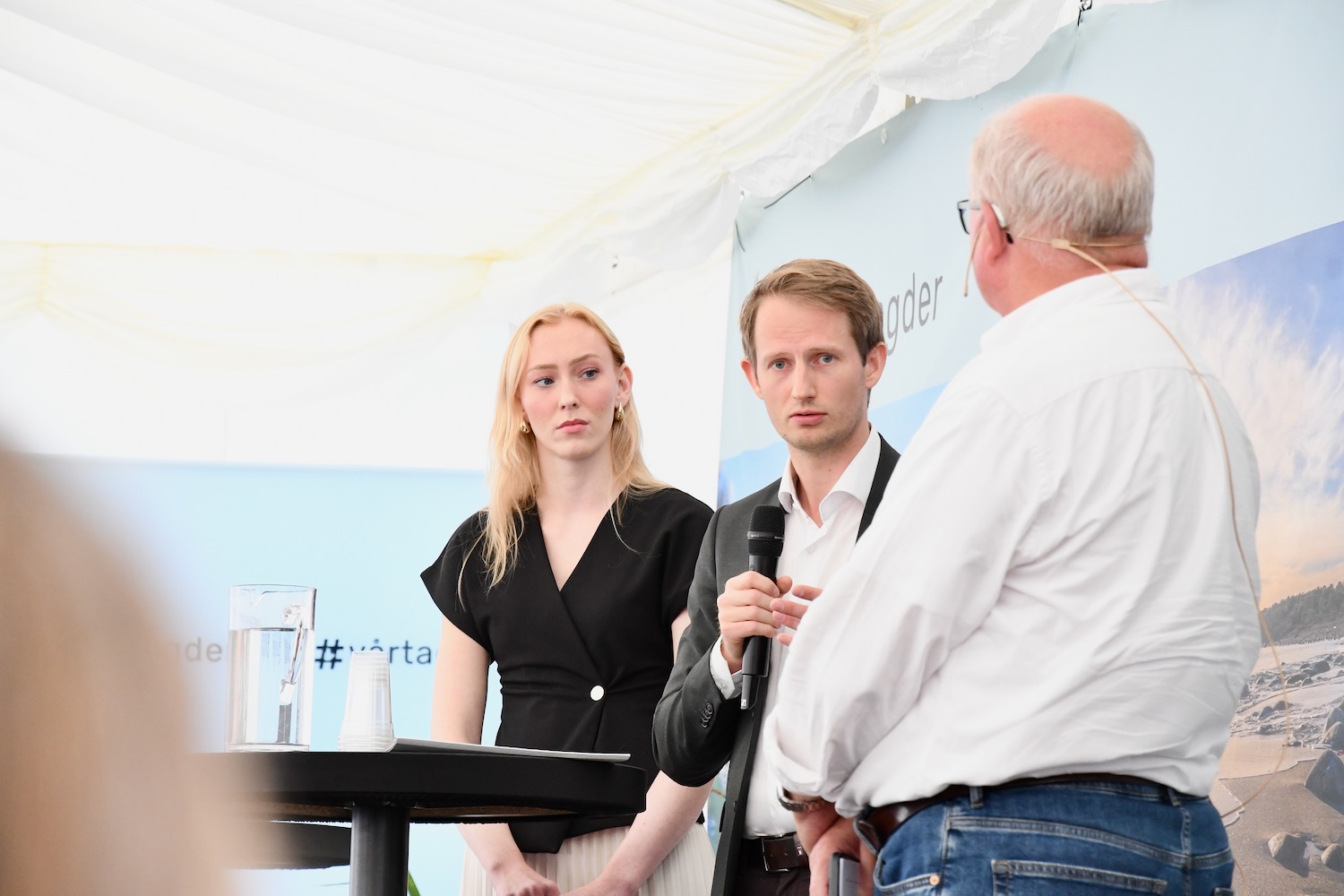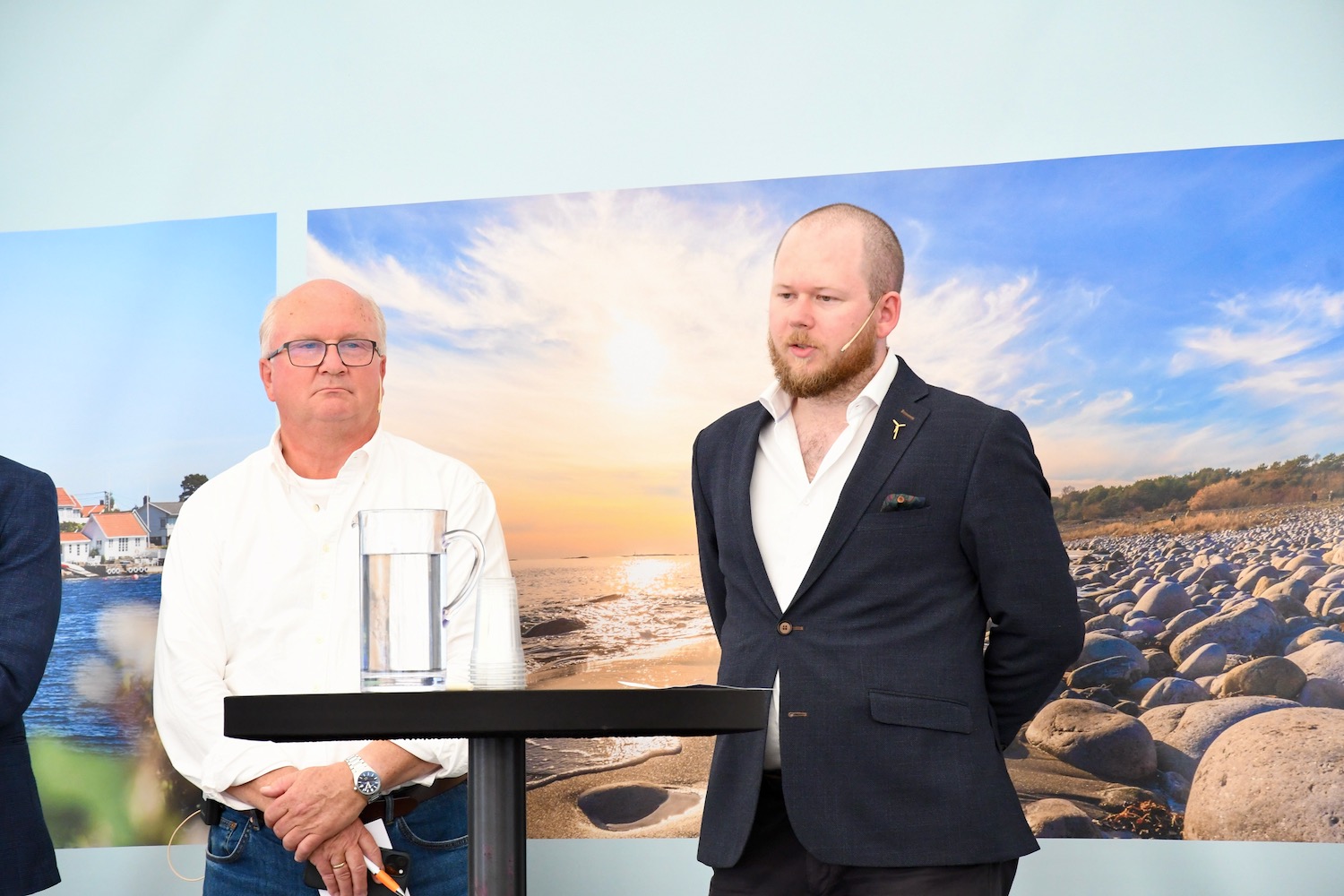
That is one of the key questions the Norwegian Parliament will face this fall, and the backdrop for a debate during Arendalsuka on Thursday. At stake is not only how Norway secures the power it needs, but how offshore wind is financed and politically justified.
A radial cable, which is the choice for the first major offshore wind project (Sørlige Nordsjø II), sends electricity exclusively into the Norwegian grid. It is simple, familiar and politically easier to defend because it lowers domestic electricity prices. Analyst Olav Botnen at Volt Power Analytics estimates a reduction of NOK 0.11 in Southern Norway price area and NOK 0.7 in neighboring areas.
But the economics are harsh. A radial connection sits idle roughly half the time, unable to export surplus power when prices abroad are high.
“Radials are expensive to operate and need strong public support to make them viable,” says Botnen.
Hybrid cables tell a different story. They connect offshore wind farms to multiple countries while also connecting national grids. With continental spot prices often around NOK 0.8, compared to Norway’s NOK 0.6, hybrids can serve as interconnectors when the wind is not blowing.
“Hybrids may not need subsidies at all,” Botnen noted, pointing to the cable’s ability to trade in the European market when prices spike. The risk, however, is political: if too much power flows to Europe, Norwegian spot prices could rise. “That is why hybrid agreements must include negotiated safeguards,” said Botnen.
Jørgen Bjørndalen, Energy Adviser at DNV, argues hybrids solve a deeper structural challenge. “Bottom fixed wind parks lie far offshore and require expensive grid solutions. The genius of hybrids is that trading opportunities finance the cable,” says Bjørndalen – and continues: “Cost sharing models like Bornholm show how countries can split expenses fairly and realize projects that would otherwise be difficult to justify.”
Member of Parliament Aleksander Stokkebø (Conservative Party) believes Norway should embrace hybrids: “Just look at the map. The area closest to Europe is ideal for a hybrid solution. We must reduce subsidy needs to maintain legitimacy for offshore wind.”
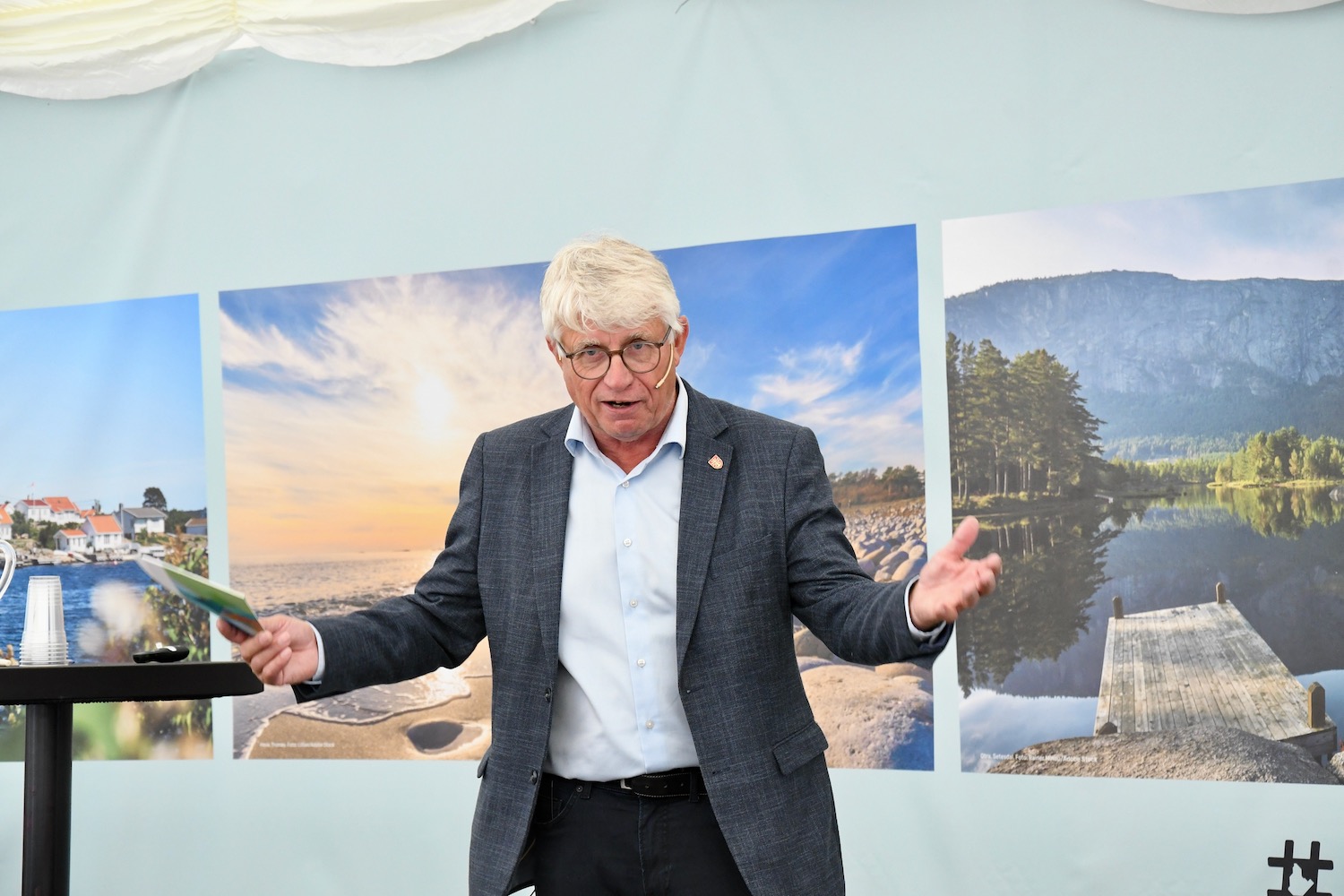
Arne Thomassen, Mayor of Agder County, agrees the issue will be central in the Norwegian Parliament. He warns that offshore wind has suffered from delays and political reversals: “You don’t build new industry by having repeated reversals. We need a binding timeline.”
Kristian Johnsen, Project Manager for the regional offshore wind collaboration project Fremtidens Havvind, also stresses the need for predictability to allow the industry to build competence and capacity to enter the emerging Norwegian market.
“For Agder, offshore wind represents a chance to build an entire industrial value chain, from turbine blade production to new port infrastructure,” says Johnsen.